Everyone wants to know the secret to living longer. The surprising answer is that there probably isn’t one. Longevity isn’t built around a miracle supplement or a revolutionary diet. Instead, it grows from everyday decisions that seem almost too ordinary to matter. A walk after dinner. Calling a friend. Getting enough sleep. Keeping your blood pressure under control. None of these makes headlines, yet together they can dramatically influence how well you age.
Research from long-term aging studies continues to point toward a simple truth: healthy aging is less about finding shortcuts and more about building habits that stand the test of time.
Healthy Aging Starts Long Before Old Age
Many people think about longevity once they retire or after receiving a medical diagnosis. In reality, healthy aging begins decades earlier. Every choice influences how your body responds to the natural aging process. The heart, muscles, brain, immune system, and metabolism are constantly adapting to the environment you create through your daily habits.
The encouraging news is that those habits are largely within your control.
Exercise Is Still the Closest Thing to a Magic Pill
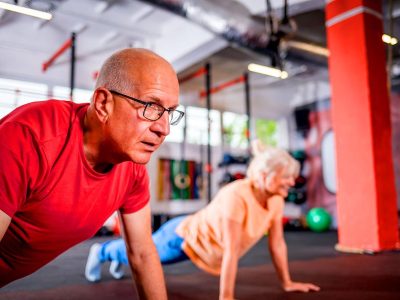
If there is one habit that consistently rises to the top of longevity research, it’s movement. Regular exercise supports nearly every major system in the body. It improves cardiovascular health, preserves muscle strength, enhances brain function, and helps regulate blood sugar and inflammation. The goal isn’t becoming an athlete. The goal is moving consistently. Even modest activity is far better than remaining sedentary. A daily walk, cycling, swimming, gardening, or resistance training all contribute to healthier aging.
Protect Your Future by Managing Today’s Risks
Many chronic diseases develop quietly over years before symptoms appear. Routine preventive care helps identify problems early, when they are often easier to manage. Keeping blood pressure, cholesterol, and blood sugar within healthy ranges can significantly reduce the risk of cardiovascular disease and other age-related conditions.
Equally important is staying up to date with recommended health screenings. Small preventive actions today often prevent much bigger problems tomorrow.
Your Social Life Is Part of Your Health
Health extends beyond nutrition and exercise. Human connection plays a powerful role in healthy aging. Strong relationships can improve emotional well-being, reduce stress, and even support physical health. People who maintain meaningful social connections often enjoy better quality of life as they age.
Simple ways to stay connected include:
- Spending Time With Family
- Meeting Friends Regularly
- Joining Community Groups
- Volunteering
- Learning New Activities With Others
Connection nourishes the brain just as movement nourishes the body.
Creativity Keeps the Brain Engaged
Healthy aging is not only about preserving physical function. The brain benefits from curiosity, creativity, and lifelong learning. Challenging yourself with new experiences helps strengthen cognitive flexibility and encourages the brain to keep building new connections. Creativity looks different for everyone.
You might enjoy:
- Reading
- Painting
- Playing Music
- Writing
- Learning A New Skill
The activity matters less than the willingness to stay mentally engaged.
Weight Matters, but So Does Where It Is Stored
Maintaining a healthy weight becomes increasingly important with age. However, body composition often tells a more complete story than the number on the scale. Excess visceral fat, the fat stored around internal organs, has been linked to inflammation and increased risks of cardiovascular disease and metabolic disorders.
Regular exercise, balanced nutrition, and preserving muscle mass all help support healthier body composition over time. The objective isn’t chasing perfection. It’s creating a healthier internal environment.
Small Choices Become Long-Term Results
One of the biggest misconceptions about longevity is that dramatic changes produce the biggest rewards. In reality, consistency almost always wins. Walking every day may not feel remarkable. Getting enough sleep may not seem exciting. Preparing nutritious meals may not generate social media attention.
But over the course of years, these ordinary habits quietly shape extraordinary outcomes. Healthy aging is less about occasional heroic efforts and more about showing up for yourself every single day.
Building a Longer, Healthier Life
There is no single habit that guarantees longevity. Instead, healthy aging is built by combining multiple positive behaviors that reinforce one another. Exercise supports heart health. Social connections reduce stress. Preventive care catches problems early. Creativity keeps the brain active. Good nutrition fuels every system.
Together, these habits create something far greater than the sum of their parts. Living longer is certainly worth celebrating. Living longer while staying healthy, active, and independent is even better.
F&Q
What habits have the biggest impact on healthy aging?
Regular exercise, maintaining a healthy weight, staying socially connected, getting preventive healthcare, avoiding smoking, limiting alcohol, managing cardiovascular risk factors, and keeping the brain active are among the most important lifestyle habits.
Can lifestyle really add years to healthy life?
Research from long-term population studies suggests that healthy lifestyle habits may significantly increase healthspan, allowing people to live more years free from major chronic disease and disability.
Why are social relationships important for longevity?
Strong social connections help reduce stress, support mental health, encourage healthy behaviors, and have been associated with lower risks of illness and premature death.
Is it too late to improve my health?
No. Positive lifestyle changes can benefit people at almost any age. The body remains remarkably adaptable, and even small improvements can lead to meaningful health gains over time.
Which habit should I start with?
Start with one change you can maintain consistently. Daily movement is often an excellent first step because it benefits the heart, muscles, brain, metabolism, and overall well-being while creating momentum for other healthy habits.