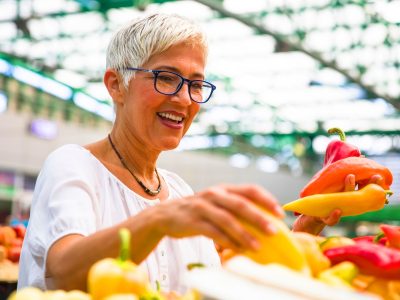
Modern medicine is brilliant at emergencies. A heart attack, an infection, a crisis, and the machinery of intervention whirs to life. But what about the quiet years before the crisis? The years when the body whispers instead of shouts?
That’s where a new future of prevention lives, and it doesn’t start in a lab alone. It starts at the table. In the community. In culture. Then science joins the conversation and turns tradition into strategy.
When Food and Health Actually Lived Together
In many parts of the world, food was never separated from health. Markets overflowed with seasonal ingredients. Meals happened slowly. People gathered. Recipes carried memory and meaning.
Travel through Mediterranean villages, and you see it plainly: food isn’t a chore, it’s architecture. It shapes social life, emotional connection, and physical resilience. No one stands around counting macros. They share olives and humor and time. Contrast that with how food often feels today, rushed, packaged, engineered, and it’s clear something slipped out of our hands.
Science Circles Back
Medicine once relied mostly on diet and lifestyle. Then pharmaceuticals arrived, astonishing and powerful, and we raced toward them as the primary solution. The miracle became the model.
Now something fascinating is happening. Research is circling back, not to nostalgia, but to integration. Instead of choosing between pills or plates, the smartest minds are asking: what happens when they collaborate?
And the data keeps pointing in the same direction: systems in the body repair themselves more effectively when nourished properly, rested intentionally, and given movement, social connection, and calm.
The Body Has Defenses, If We Let Them Work
Our biology isn’t passive. It’s full of built-in protections that can be supported or sabotaged by how we live.
Think of them like guardians:
- Circulation that keeps tissues alive and responsive
- Cells that quietly rebuild damaged areas
- A microbial ecosystem in the gut shaping immunity and mood
- DNA repair programs deciding how fast we age
- An immune network that behaves best when balanced, not bludgeoned
Prevention isn’t about perfection. It’s about creating conditions in which these defenses can do their jobs.
Prevention Doesn’t Mean Boring
Here’s the twist: prevention isn’t sterile. It’s delicious.
Cooking becomes participation in health rather than a chore. Choosing foods with purpose doesn’t mean giving up joy. The best preventive meals are vibrant, social, full of flavor, and surprisingly simple. Imagine a healthcare model where discussing recipes sits next to reviewing lab results, not as fluff, but as essential infrastructure.
Reversal Was Once Unthinkable
For decades, we assumed certain chronic diseases could only be “managed.” Then clinicians began observing something unexpected: lifestyle-centered approaches didn’t just slow decline. In some cases, biological damage softened. Pathways shifted. Symptoms retreated.
Not magic. Not a miracle. Biology responding to better inputs.
That possibility reframes everything. Prevention is no longer passive: “avoid bad things.” It becomes active “build stronger systems.”
Culture, Science, A Different Kind of Medicine
The future of prevention won’t look like a lecture. It will look like families cooking together again. Doctors talking about sleep, stress, and meals with the same seriousness as medications. Researchers mapping how everyday foods influence cellular repair.
It’s not anti-medicine. It’s deeper medicine.
A model where culture keeps people grounded, food provides daily therapy, and science explains the “why” behind traditions that once seemed simply intuitive. That future is already arriving, quietly, meal by meal, reminding us that prevention isn’t something done to us. It’s something we practice, together, long before trouble knocks.