Walking into a grocery store can feel like stepping into a maze wrapped in fluorescent lighting. So many packages. So many promises. Somewhere between the cereal aisle and the freezers, most of us start guessing instead of choosing. But food can actually be a compass. And when you learn how to read it, the store turns from confusing to empowering.
Start With What Grows
You’ve heard this before: shop the perimeter. Fresh produce, herbs, leafy greens, roots that still look like they came from the ground. They’re loaded with compounds plants build to protect themselves, and strangely enough, those same compounds help our bodies defend themselves, too.
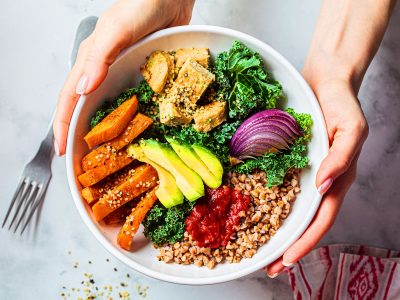
But don’t just toss in lettuce and call it a day. Think color like a painter: deep purples, fiery oranges, forest greens. Variety isn’t trendy. It’s biology. Each shade feeds a different part of you.
Short rule of thumb: the more your cart looks like a sunset, the better.
The Middle Aisles Aren’t the Enemy
Here’s where things get interesting. The common wisdom says the middle aisles are a nutritional wasteland. That’s not entirely true. Buried between sugar bombs and ultra-processed oddities, there are quiet heroes.
Dried beans. Canned fish in olive oil. Whole grains. Spices. Teas. Real-deal coffee. Simple tomato sauces with ingredients you can pronounce.
The trick? Become a label detective. If the ingredient list reads like a novel, put it back. If it reads like a recipe your grandmother could cook, you’re probably on the right track. Think of it as a treasure hunt. Not everything sparkly is gold, but there is gold.
Build Your “Healing Staples” List
Stocking a few standbys turns your kitchen into a tiny home pharmacy, without the white coats and co-pays.
- Beans and Lentils
- Extra-Virgin Olive Oil
- Whole Oats or Buckwheat
- Herbs and Spices (think turmeric, rosemary, oregano)
- Frozen Berries
- Nuts and Seeds
- Canned Sardines or Salmon
- Real Tea and Coffee
- Simple Broths
These are quiet, ordinary foods. Yet they feed the gut, support immunity, and whisper calm messages to your metabolism. Nothing flashy. Just steady help.
Follow the Body, Not the Buzzwords
“Low-fat.” “Keto.” “Heart-healthy.” The labels shout. Your body whispers. Healing foods often work by supporting deep systems: circulation, gut health, immune balance, and cellular repair. They don’t scream for attention. They simply keep showing up.
And here’s the curveball: sometimes small additions make huge shifts. A cup of beans. A handful of greens. Fiber that feeds the microscopic world inside you. It’s not magic. It just feels like it.
Food as Joy, Not Punishment
Healing food isn’t meant to taste like penance. It should smell like something you’re excited to eat. Share it. Cook slowly once in a while. Laugh at the kitchen mess. Health lives in meals, but also in the stories around them.
Because the real “diet” isn’t a rulebook. It’s a lifestyle, the choices you repeat, the rhythms you build.
Conclusion
So the next time you walk under those humming lights, don’t see confusion. See opportunity. You’re not shopping for calories. You’re shopping for longevity, clarity, energy, and resilience.
And aisle by aisle, you’ll realize: the path to healing doesn’t hide in secret powders or miracle claims. It’s right there, sitting on the shelf, waiting to go home with you.